
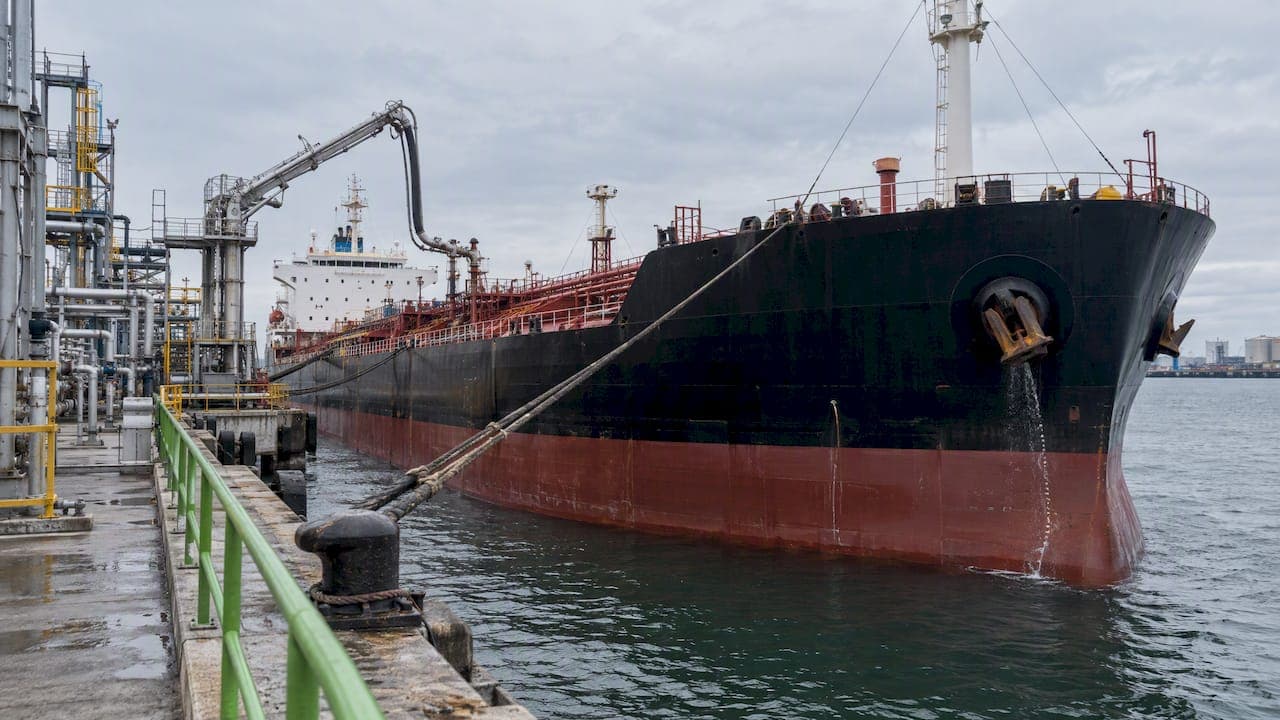
Under FOB, the seller loads the goods on board at the named port of shipment, and the buyer pays the main freight and arranges any insurance from that point. Under CIF, the seller pays freight to the destination port and buys minimum insurance. In both terms, risk passes to the buyer once the goods are on board at the port of shipment, not on arrival.
TL;DR:
- Under CIF, default insurance is limited to Institute Cargo Clauses (C), so buyers of valuable cargo should negotiate broader cover in writing.
- FOB and CIF apply only to sea or inland waterway transport; for containers handed to a terminal before loading, consider FCA, CPT, or CIP.
- To compare quotes, separate freight and insurance from CIF, add your own costs to FOB, and include duties, port charges, and inland transport in each total.
- Put the Incoterms version, exact named port, insurance clause, and required documents in the contract; buyers handle import clearance and duties under both terms.
Table of Contents
- What FOB requires of the seller and the buyer
- What CIF requires of the seller and the buyer
- FOB vs CIF side by side
- How to choose between FOB and CIF
- Misconceptions and containerization caveats
- FOB vs CIF and customs clearance
- FOB vs CIF and shipping documents
- How FOB and CIF shape negotiation
- FOB and CIF with multiple modes of transport or transshipment
- Legal considerations and dispute resolution under FOB vs CIF
- A practical procurement perspective
- How we help you choose the term and run the procurement
- FAQ
- Sources
What FOB requires of the seller and the buyer
With Free on Board, the seller delivers the goods by placing them on the vessel the buyer nominates at the named port of shipment. Risk transfers to the buyer the moment the goods are on board. The seller delivers the goods on board at the named port of shipment.
From that point, the buyer bears subsequent costs, including freight and insurance. That is why FOB suits buyers who want to control the carrier and negotiate their own freight rates.
FOB is a shipment term for sea and inland waterway transport only. The same GOV.UK guidance states that FOB applies exclusively to those modes, so it should not appear on a contract for air freight or a truck-only move.
For containerized shipments, consider whether FCA better reflects the delivery arrangement. FOB is for sea and inland waterway transport, with delivery taking place on board at the named port of shipment.
What CIF requires of the seller and the buyer
Cost, Insurance and Freight puts the carriage and insurance arrangements on the seller. The ICC text states that the seller must contract for and pay costs and freight to the named port of destination and obtain insurance cover for the buyer's risk during carriage.
The detail that trips up many first-time users is the risk point. Although the seller pays for the voyage, risk still passes when the goods are on board at the port of shipment. If the cargo is damaged or lost at sea, the loss falls on the buyer, who then claims against the insurance the seller bought.
That insurance is a minimum. Under Incoterms 2020, the default cover remains Institute Cargo Clauses (C) unless the parties agree otherwise. Clauses (C) cover a narrower list of perils than broader cover would, so buyers shipping high-value cargo should ask for more in the contract.
CIF puts the freight and insurance arrangements on the seller, which may suit buyers who prefer a seller-managed voyage. Under CIF, risk passes to the buyer when the goods are on board at the port of shipment, even though the seller pays freight to the named destination port.

FOB vs CIF side by side
Both terms are on the Incoterms 2020 list of sea and inland waterway rules, and they share a risk point. The differences lie in who pays for what and who holds control.
- Sea freight: the buyer pays under FOB; the seller pays under CIF.
- Insurance: under FOB the buyer insures if they want cover; under CIF the seller buys minimum cover for the buyer's benefit.
- Risk transfer: on board at the named port of shipment under both terms.
- Carrier control: the buyer chooses the carrier and negotiates the rate under FOB; the seller holds the freight contract under CIF.
- Cost visibility: FOB separates the goods price from freight, while CIF bundles them into one figure.
A few steps show how to compare two quotes on equal terms:
- Take the CIF price and subtract the quoted freight and insurance to find the implied FOB value.
- Add your own freight rate and insurance premium to the FOB price to get your landed cost to the destination port.
- Add import duties, port charges and inland transport to both versions.
- Compare the totals, not the headline prices.
Accounting treatment can also differ. How freight and insurance are recorded affects inventory cost and the timing of expenses, and accounting texts contrast FOB shipping point with FOB destination for exactly this reason. Confirm with your finance team how each term flows into inventory and costs.
How to choose between FOB and CIF
Work through these steps before you accept a quote.
- Decide who needs control. If you want to pick the carrier and negotiate freight, ask for FOB. If you prefer a seller-managed voyage, CIF can be offered.
- Check the insurance. Accept CIF minimum cover only if it satisfies you. Otherwise, negotiate higher cover in the contract or buy a top-up policy yourself.
- Compare landed costs. Break CIF into its parts: CIF is roughly FOB plus freight plus insurance. A quote that looks cheap on one basis may not be once the components are lined up.
- Confirm the details in writing. State the Incoterms version, the exact named port, and whether it is the port of shipment (FOB) or the port of destination (CIF).
Pro Tip: Require the exact named port and the insurance clause in the contract itself, and consider FCA, CPT or CIP for containerized shipments.
A related point: CFR works like CIF without the seller's insurance, so a CIF quote can be compared with CFR plus your own policy.
Misconceptions and containerization caveats
The most common mistake is believing that CIF guarantees arrival. It does not. ICC guidance warns parties not to conflate freight payment obligations with risk transfer. The seller pays for carriage, but the buyer carries the risk of loss from the moment of loading and must claim on the insurance.
A second mistake is treating either term as a shipping label. Incoterms allocate who pays for transport, who bears risk of loss or damage, and who handles customs formalities. They do not transfer ownership of the goods, which the sales contract governs.
Third, container practice has moved on. When a container is delivered to a terminal before loading, the seller's risk can end well before the cargo crosses a ship's rail, so FOB and CIF do not map neatly onto what happens. FCA, CPT or CIP fit that reality better.
Finally, remember that Incoterms 2020 keeps the minimum insurance default under CIF and groups cost items so each party can see its allocation. Parties can and should contract for higher cover when the cargo warrants it.
FOB vs CIF and customs clearance
The Incoterm tells you who is responsible for customs formalities, and in neither term does the seller handle import clearance. Under both FOB and CIF, the seller clears the goods for export, and the buyer clears them for import and pays duties and taxes.
Customs valuation depends on the rules in the import market. FOB and CIF distinguish how freight and insurance are allocated, so check the relevant customs authority's guidance to determine how those costs affect the customs value. The GOV.UK customs valuation guidance explains how Incoterms feed into valuation in the UK, and other jurisdictions have their own rules, so check the authority in your import market.
FOB buyers may need freight and insurance information for customs valuation. Check the import market's requirements and keep relevant cost documents available.
Incoterms allocate responsibility for customs formalities, but export requirements depend on the origin country. Check the applicable rules and specify the parties' responsibilities in the contract.
FOB vs CIF and shipping documents
Documents are where the terms feel different day to day. Under FOB, the buyer arranges the carrier and bears subsequent costs from the point the goods are on board. Agree in the contract which documents each party must provide.
Under CIF, the seller contracts for and pays freight to the named destination port and obtains insurance cover for the buyer's risk during carriage. Agree the required shipping documents in the contract. For documentary payment arrangements, agree the required documents and their details in advance.
A short checklist helps on both sides:
- Commercial invoice with the Incoterm and the named port stated correctly.
- Bill of lading showing the goods on board at the port of shipment.
- Insurance certificate (CIF), naming the right insured party and the agreed level of cover.
- Packing list and any certificates of origin or quality the contract requires.
- Export and import declarations.
Incoterms 2020 also added an option under FCA for the parties to agree that the buyer will instruct its carrier to issue an on-board bill of lading to the seller, which shows how much attention the rules now pay to documents. Whatever term you use, agree the document list in the contract, so nobody discovers a missing certificate once the vessel has sailed.
How FOB and CIF shape negotiation
Each term hands different leverage to each party, and smart buyers and sellers use that.
Under FOB, the buyer arranges the freight, while the seller delivers the goods on board at the named port of shipment. This gives the buyer control over its freight arrangements.
Under CIF, the seller contracts for and pays freight and obtains insurance. Compare the quoted costs with your alternatives, and clarify in the contract how any price adjustments are handled.
Pricing structure matters too. Delivered or destination prices bundle product and transport, and older pricing literature notes that delivered pricing can obscure freight cost allocation. Asking a CIF seller to show freight and insurance as separate figures gives you a basis for negotiation.
Practical levers to bring to the table:
- Ask for both FOB and CIF quotes on the same shipment and compare.
- Negotiate the insurance level, not just the price.
- Agree who bears demurrage, detention and rate changes.
- Clarify the laycan or shipping window, so the loading date is firm.
Buyers who lack carrier relationships may value the simplicity of CIF. Buyers who ship regularly often prefer FOB. Neither choice is fixed: it can change by lane, commodity and season.
FOB and CIF with multiple modes of transport or transshipment
Both FOB and CIF are built for sea or inland waterway carriage from port to port. As the GOV.UK guidance notes, FOB applies exclusively to sea and inland waterway transport, and CIF belongs to the same group of rules.
FOB and CIF are for sea or inland waterway transport. If the shipment arrangement involves an inland carrier or terminal handover, consider whether a rule designed for the transport arrangement, such as FCA, CPT or CIP, is more appropriate.
Under FOB and CIF, risk transfers when the goods are on board at the named port of shipment. Under CIF, the seller pays freight to the named destination port. Specify any transshipment arrangements in the contract.
For multimodal shipments, specify the named place and agree who arranges and pays for each leg. Consider a rule designed for transport modes beyond sea and inland waterways if carriage extends to an inland destination.
Legal considerations and dispute resolution under FOB vs CIF
Incoterms are contractual rules, not law. They apply only when the parties incorporate them, ideally by writing the term, the named port and the version, such as "CIF Rotterdam Incoterms 2020," into the sales contract. Without that, courts and arbitrators may fall back on local law or trade custom, and results can differ.
Incoterms address costs, risk and customs responsibilities. Consider addressing other matters relevant to the sale separately in the contract.
The likeliest disputes come from the risk point. Because risk passes on board under both terms, a buyer facing damaged cargo at destination under CIF must claim on the insurance, and the scope of cover matters. If the cover is the minimum Institute Cargo Clauses (C), some losses may not be recoverable. Under FOB, the buyer who skipped insurance carries the loss alone. Commodity trade bodies also note that, under FOB, the buyer assumes transit risk and must pursue carrier claims if loss happens after shipment.
To reduce friction, consider specifying dispute-resolution procedures, notification expectations and any inspection process in the contract. Keep relevant shipment records and seek legal advice where appropriate.

A practical procurement perspective
In bulk fuel and commodity buying, the Incoterm quietly decides whether two bids are comparable at all. A CIF offer and an FOB offer can look far apart on price while landing at nearly the same cost once freight and insurance are accounted for. My advice is to normalize every bid to one basis before judging it, and to read the insurance clause as carefully as the price. The cheapest headline number is often the one that leaves a gap between what you paid for and what the cargo is actually covered for.
— Destin
How we help you choose the term and run the procurement
Choosing between FOB and CIF is easier when someone manages the freight, the insurance check and the paperwork alongside the price. We procure fuels and lubricants, run international fuel marketing, coordinate logistics, set up recurring resupply and act as prime contractor on government work. Our quotes rest on live market data, we screen counterparties, and you deal with one point of contact who keeps documentation compliance-ready.

To compare quotes on a true landed-cost basis or start an RFQ, see our procurement and logistics services and contact us.
FAQ
What is better, CIF or FOB?
Neither is better in general. FOB suits buyers who want to control the carrier and negotiate freight, while CIF suits buyers who prefer the seller to arrange the voyage and basic insurance. Compare the landed cost of each offer before deciding.
Who pays the freight on FOB?
The buyer pays the main sea freight under FOB. The seller's responsibility ends once the goods are on board the vessel at the named port of shipment, and the GOV.UK guidance confirms that later costs, including freight and insurance, fall to the buyer.
How do you convert from FOB to CIF?
Add the freight and insurance costs to the FOB price. CIF is roughly FOB plus sea freight plus insurance, so subtract those two items from a CIF price to estimate the FOB equivalent.
Which is cheaper, FOB or CIF?
It depends on freight rates and insurance. FOB shows a lower headline price because it excludes freight and insurance, but the total landed cost can be similar or lower under CIF if the seller has better rates. Compare both on the same basis.